Schenke-Layland Lab
During development, extrinsic signals from the environment are transduced and converted to intrinsic changes in gene expression that specify the identity and function of cells. Gene regulation gives the cell control over structure and function, and is the basis for cellular differentiation and morphogenesis. These critical developmental processes take advantage of cooperation of transcription factors and epigenetic modifiers, yet very little is known regarding how these events are initiated and regulated. Various niche factors including ECM proteins, growth factors and cytokines, as well as the physiochemical and biomechanical environment, act on cardiovascular progenitor cells (CPCs) to alter gene expression, induce cellular proliferation and differentiation, and define how the cardiovascular fate is stabilized and segregated from alternative fates. When misregulated, these environmental cues may lead to pathologies by inducing aberrant function in stem cells or other targets. If we are able to identify these critical developmental processes, we can then use it to stimulate regenerative strategies, including tissue engineering of living heart valves and blood vessels, or to provide insight into cardiovascular disease pathologies.

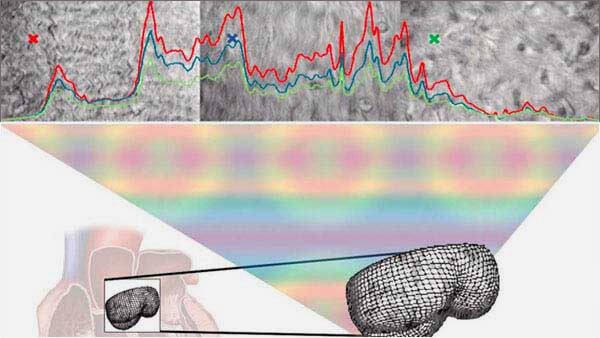
Our vision is to build on our expertise in cardiovascular research, stem cell and extracellular matrix biology as well as imaging technologies and integrate the analysis of cell-cell and cell-matrix regulatory mechanisms to understand how cell fates are established and maintained in the cardiovascular system and how this process is orchestrated by microenvironmental cues.

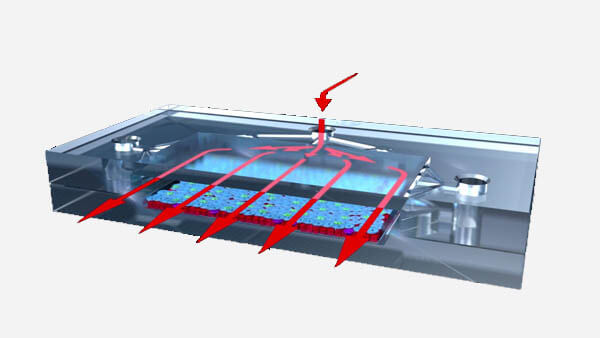
Our goals are to identify the factors that constitute the cardiovascular niche in vivo as well as to define how these fetal microenvironments control CPC fate during development. We further aim to determine appropriate cell culture systems that allow culture and expansion of stem cell-derived cardiovascular progenitor cells as well as support the guided differentiation of these cells into cardiovascular cell phenotypes. These novel insights will ultimately be used to design novel scaffold materials for tissue engineering purposes employing nanotechnological approaches to ultimately generate tissue substitutes that can find their way into clinics.